Our Story
We Help Families Build a Sustainable Future. Our mission is to uplift students and their families out of extreme poverty through education and enterprise.
How it started
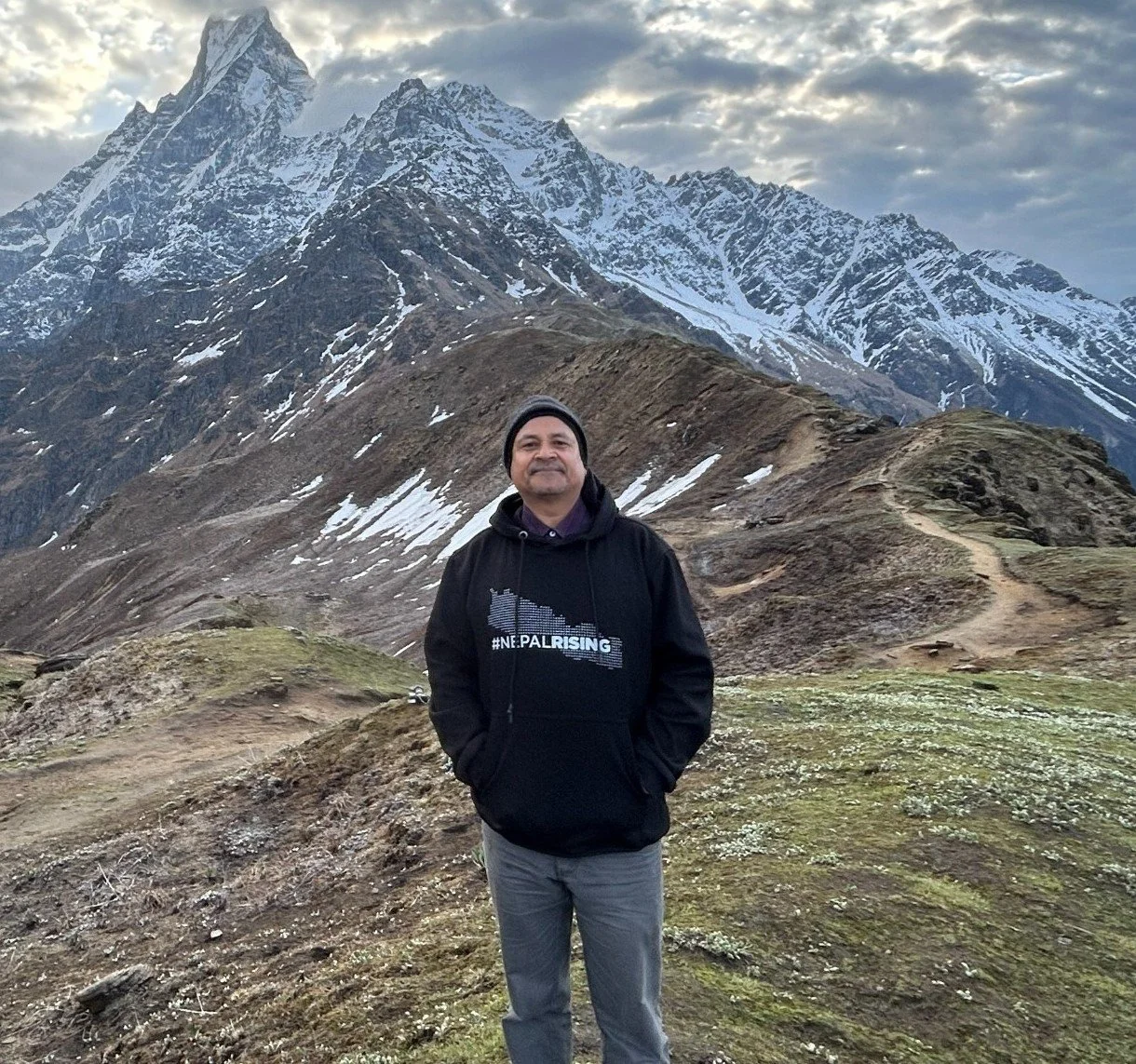
In October 2019, traveling in western Nepal, Yogi Kayastha met girls freed from bonded labor and Dalit girls who had passed Grade 7 and wanted badly to keep going.
Their families couldn't afford uniforms, books, or fees. That was where it stopped.
He told the field staff he would find the funding, and he went looking.
The first idea was a monthly stipend. A better one replaced it: give the family the full amount at once so they can start something that earns. Then the income carries the girl through Grade 12 — her family's work, not a monthly wire.
In 2020, six girls in Phulbari village, Dang became the first. Their families bought goats and pigs. It worked.
Forty-eight students have been sponsored since — 44 girls and 4 boys, across nine districts.
Why it matters
Public education in Nepal is free. Staying in it is not.
Only 1 in 10 children from Nepal's poorest families finishes high school. (UNICEF)
Education opens the door. Income is what keeps it open.
More than 5 million people in rural Nepal live on less than $1.50 a day. (World Bank Group)
Our Community Chooses the Students
We don’t choose the students. Local community groups do—the people who know these families, understand their needs, and see them every day.
1
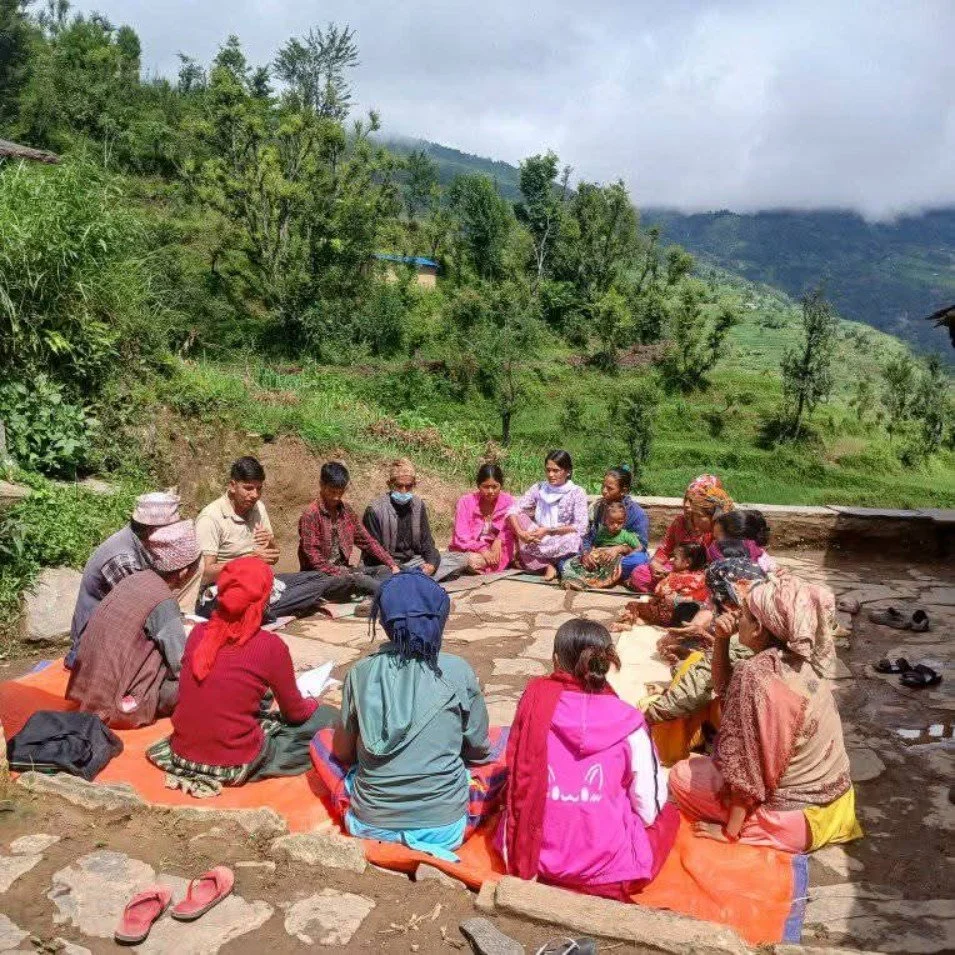
Field staff explain the terms at a Community Group meeting
2
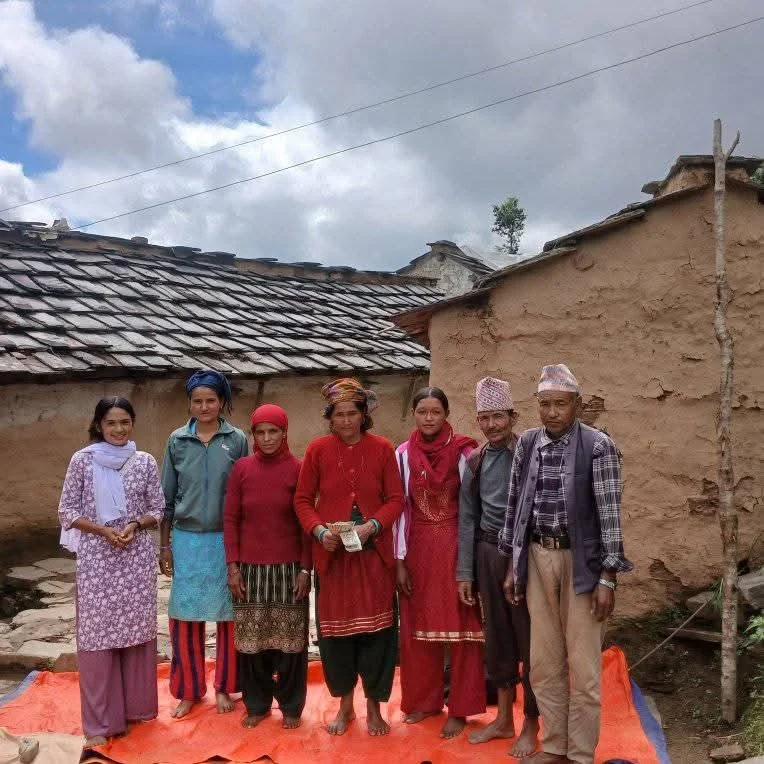
The group selects the most deserving student, unanimously
3
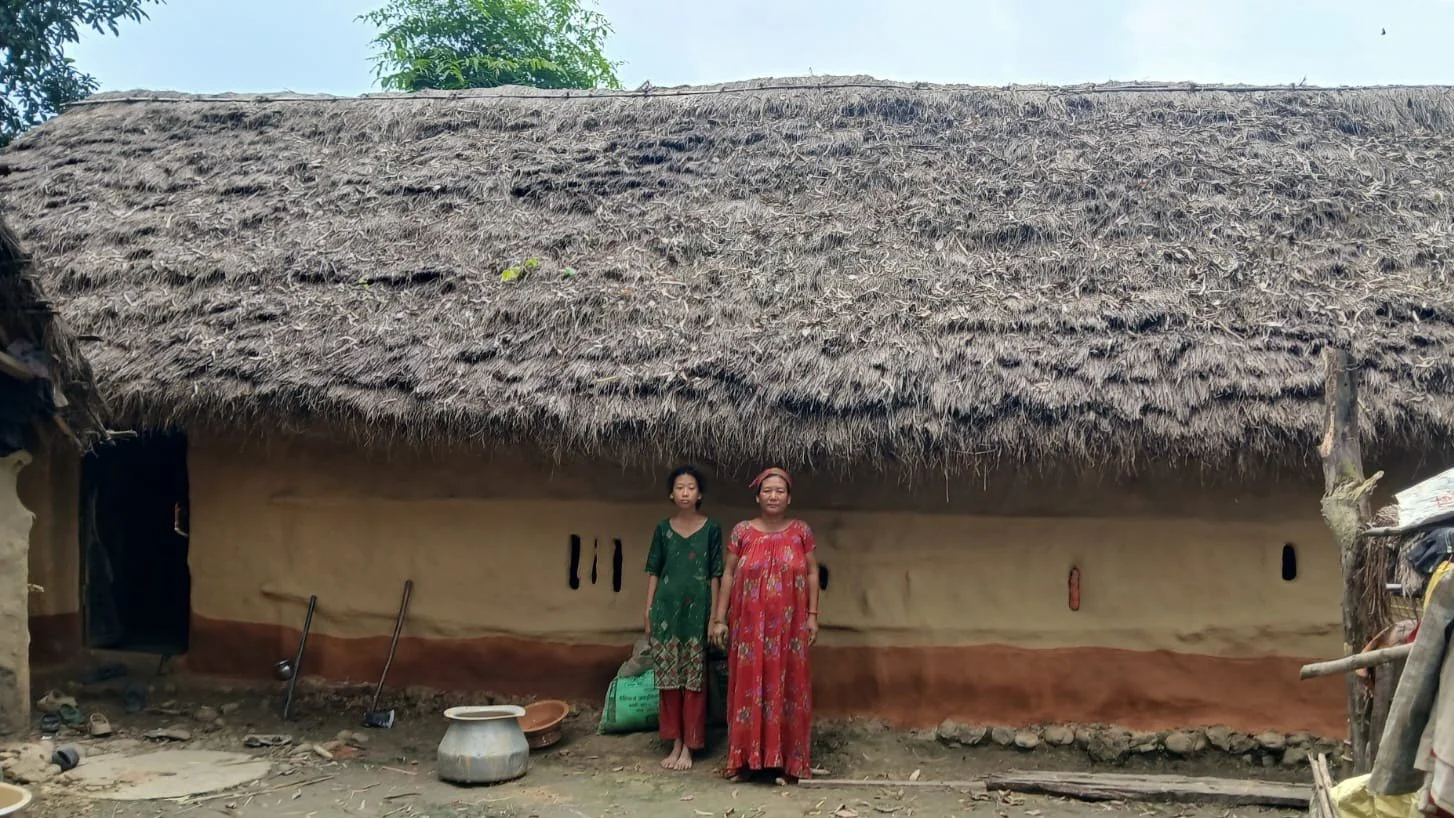
Selected student’s story and photograph go to a sponsor
4
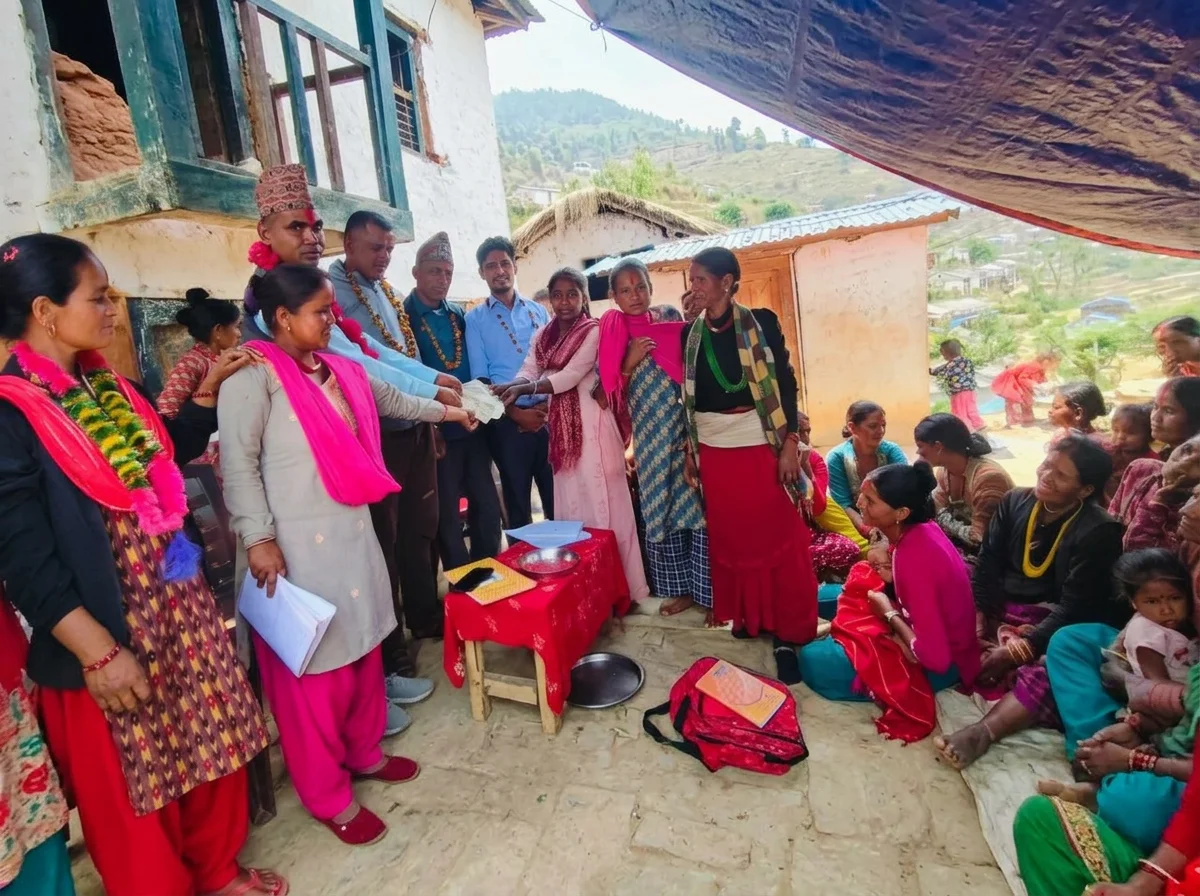
Funds are handed over at a public event, witnessed by school officials and local leaders
5

Student’s parent signs a contract with the Community Group
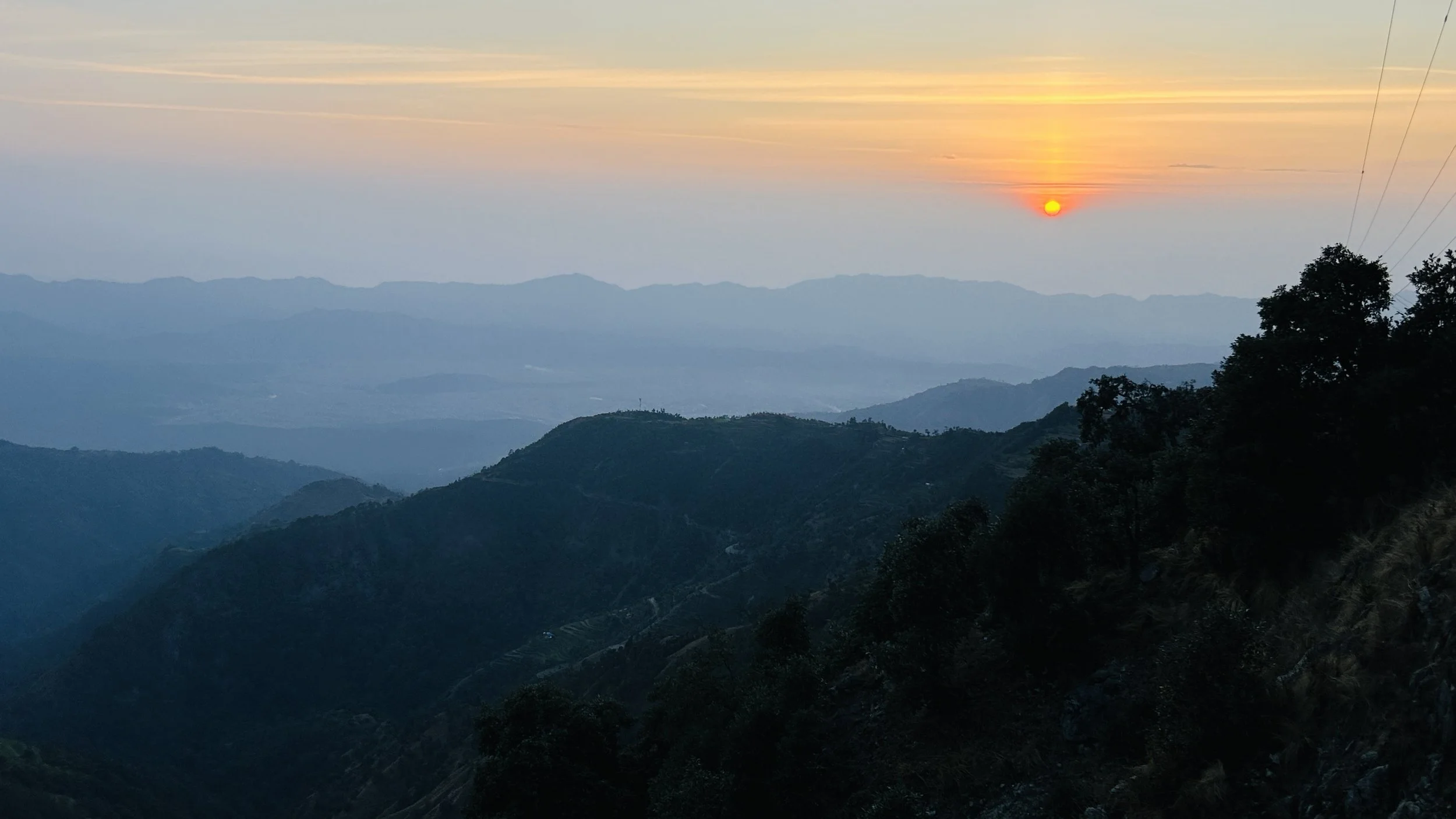
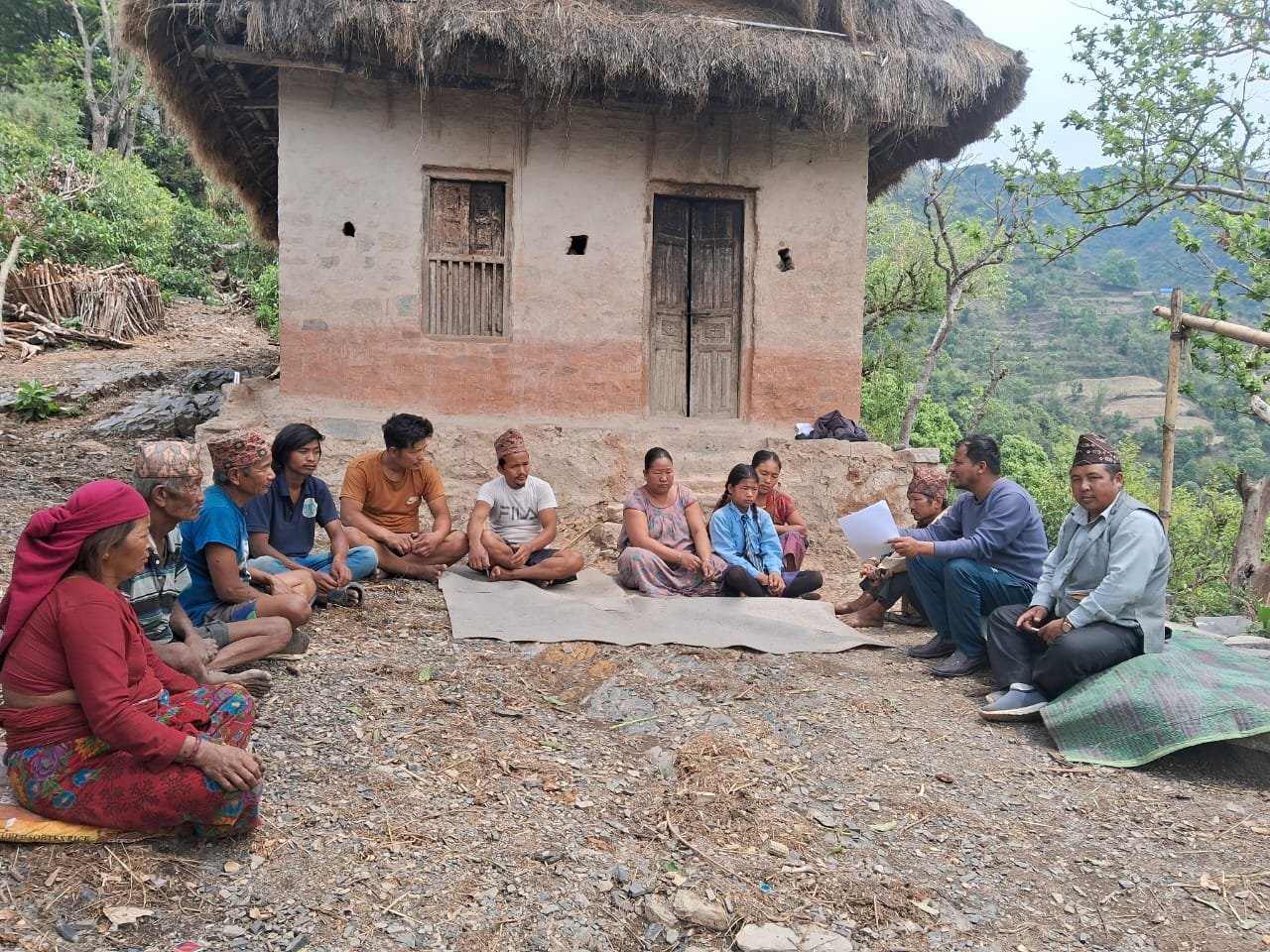
The fund remains with the Community Group until the student completes Grade 12, giving them steady support throughout their education. If circumstances prevent them from finishing, the funds return to the group so another student can receive that same opportunity. Nothing is lost; the support continues.
Each November, the student writes a letter to their sponsor, sharing a little of her life and her journey. We make sure every letter reaches its destination.
How We Work
How We Work
Locally led. Community Driven. Fully Transparent.
Here’s what your $300 sponsorship makes possible
Educate
Grants are provided with the expectation that students complete 12th grade. If a student does not complete 12th grade, the grant is subject to repayment.
$40 → Immediate school fees, uniforms, and supplies
Empower
We support families in building sustainable income alongside education.
$233 → Livestock or small enterprises (goats, pigs, etc.)
$5 → Trainings/Orientation classes for the enterprise chosen
$20 → Supports local volunteers and field staff who travel long distances (1–6 hours) to reach communities and assist students.
$2 → Government monitoring fee
End the Cycle
This provides a family with an opportunity to escape dire poverty.
Our Partners
SEE Nepal, is a volunteer-led, community-driven initiative that developed the program and serves as its fundraising arm in the United States.
Nepal Sahayata Foundation is a registered non-profit organization in Nepal and is our in-country implementing partner, working closely with community-based organizations to deliver and manage the program at the local level
SEE Nepal has partnered with Nepal Rising (Daayitwa US), a registered a 501(c)(3) non-profit organization in the United States to receive tax-deductible donations and securely transfer the funds to Nepal in support of the program.
Our Team
-
![]()
Yogi Kayastha
FOUNDER / PARTNER
Yogi Kayastha is the Director of Nepal Sahayata Foundation. With over 3 decades of experience in Nepal’s development sector, he has worked with national and international NGO’s, non-profit organizations and UNDP supported programs. He has traveled extensively across Nepal and more than 25 countries, gaining broad cross-cultural and field experience. He holds a Master’s Degree in Renewable Energy from the University of Flensburg Germany and continues to remain committed to sustainable development, community empowerment and social impact. -
![]()
Prachet Shrestha
FOUNDER
Prachet has dedicated over 4 decades to empowering Nepal’s youth to support some of the country’s most vulnerable communities. As a founding member of ECCA Nepal https://ecca.org.np/. He has played a pivotal role in growing the organization from its earliest beginnings into the nonprofit it is today, reaching communities across 61 districts throughout Nepal.
-
![]()
Naveen Shrestha
FOUNDER
With 27 years in aerospace and automotive engineering, Naveen Shrestha has spent his career focusing on how things are built. He is deeply involved in community service as a founding member of ECCA, a former VSO Program Officer and Nepal Rising Seattle Core team member since 2015. He is passionate about advancement in innovation and technology to build a more equitable world. -
![]()
Biren Shakya
FOUNDER
Biren Shakya is a founding member of ECCA Nepal with a background in design and business. With wide ranging interests spanning art, design, music, nature, architecture, and permaculture, he is always seeking to bring a curious cross-disciplinary lens to identify key solutions for sustainable social welfare. -
![]()
Anuja Magar
FOUNDER / MARKETING & COMMUNICATIONS COORDINATOR
As a marketing professional with seven years of experience, Anuja volunteers her expertise to support SEE Nepal. She is passionate about education as it has greatly shaped her journey growing up in Nepal and she believes every child deserves the opportunity to learn, grow, and reach their full potential.
-
![]()
Kshitij Tamrakar
FOUNDER / ADMIN HUB
Kshitij has almost a decade’s experience working as Finance & Admin Officer in the INGO sector. He believes that true fulfillment comes from uplifting others. So, he is passionate on helping SEE Nepal to empower vulnerable families to build sustainable livelihoods and educate the next generation.
-
![]()
Surakshya Godar
FOUNDER / ADMIN HUB
Surakshya has been involved with ECCA Nepal for almost 6 years. Being involved in the social service sector from early stage of her career, she is passionate in helping SEE Nepal to uplift the underprivileged families.
-
![]()
Palistha Shrestha
FOUNDER / COORDINATOR LEAD & DESIGN
Palistha has been involved in volunteering with ECCA-Nepal since high school and remains passionate about supporting underserved communities. She coordinates and manages SEE-NEPAL, contributing to its programs and community initiatives.
-
![]()
Lilia Shakya
FOUNDER / SOCIAL MEDIA & DESIGN
With a degree in English and Psychology, Lilia Shakya has passion for telling stories and blending different worlds together. With a strong passion for art, she created SEE Nepal’s logo & website and works in all things related to writing and art. She hopes to connect people with her Nepali roots and create a difference in children’s lives.
-
![]()
Neeva Shrestha
FOUNDER / SOCIAL MEDIA & DESIGN
Neeva Shrestha is a Bioinformatics and Applied Mathematics Major with a minor in Data Science. Outside of school she loves to bake, go to concerts, hike, and try new foods and drinks. She is also very passionate about helping others and finding ways to give back to her community. At SEE Nepal, she creates and designs engaging content to support our mission and expands educational opportunities for students in Nepal.
-
![]()
Rachit Shrestha
FOUNDER / TECH SUPPORT
Rachit Shrestha is an undergraduate computer engineering student involved with ECCA and SEE-NEPAL, where he contributes to community-focused nonprofit initiatives.
-
![]()
Anuva Shrestha
FOUNDER / SOCIAL MEDIA & DESIGN
Anuva Shrestha is currently a high-school student interested in business and public health. She enjoys hiking, baking, and traveling in her free-time and is passionate about giving back to her community and staying connected to her Nepali roots. At SEE Nepal, she helps with creating new ideas, designing infographics and icons, and running social media in order to support our mission of expanding educational opportunities in Nepal.
-
![]()
Julien Shakya
FOUNDER / SOCIAL MEDIA & DESIGN
Julien Shakya is a high schooler with a passion for music and connecting to his Nepali roots. He volunteers his time helping run social media, come up with new ideas, and create designs at SEE NEPAL.